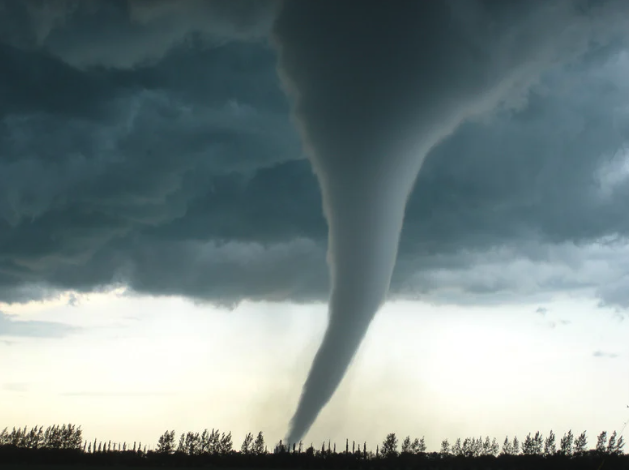
Peak tornado season in North Carolina runs from March through May, though tornadoes can occur at any time of year. Although North Carolina has fewer tornadoes than the Midwest, we still see an average of 31 tornadoes per year.
March 28th marks a solemn anniversary in Sampson County's history as the community remembers the devastating impact of two deadly tornadoes that tore through the area four decades ago, claiming the lives of 15 people. On that fateful day, an F-3 tornado wreaked havoc in Beaver Dam, Roseboro, and Salemburg, leaving behind a trail of destruction and heartbreak.
Residents vividly recall the terrifying moments when nature's fury unleashed its wrath. A Roseboro resident, reflecting on the event, recalled, "It seemed like a lifetime, but it was really just a minute or two” as the tornado destroyed their home and neighborhood. Another survivor described the aftermath, stating, "It looked like we had been hit by a bomb." These firsthand accounts serve as poignant reminders of the immense power and devastation unleashed by tornadoes.
In addition to the destruction in those areas, a second F-4 tornado spawned just north of Clinton and made its way through Faison, compounding the chaos and adding to the challenges faced by emergency responders and residents.
As Sampson County reflects on this tragic anniversary, it serves as a crucial reminder of the importance of tornado preparedness. With tornado season upon us, it's essential for residents to take proactive measures to protect themselves and their loved ones.
The National Weather Service emphasize the following tornado preparedness tips:- Have a Family Emergency Plan: Create and practice a plan that includes designated shelter areas in your home or community.
- Build an Emergency Kit: Stock up on essentials such as water, non-perishable food, flashlights, batteries, a first aid kit, and important documents.
- Stay Informed: Monitor weather forecasts and warnings. Have a reliable method of receiving emergency alerts, such as a weather radio or smartphone app.
- Know Your Shelter Options: Identify safe locations in your area, such as basements, storm shelters, or interior rooms without windows. If you live in a mobile home, identify safe shelters such as neighbors, churches, or local fire departments.
- Community Preparedness: Work with neighbors and local authorities to develop and implement emergency plans for your community.
By taking these steps and remaining vigilant, residents can enhance their safety and resilience in the face of severe weather events like tornadoes.
As Sampson County pays tribute to the lives lost 40 years ago, let us also honor their memory by staying prepared and united as a community in the face of future challenges. Together, we can mitigate the impact of natural disasters and build a safer, more resilient tomorrow.