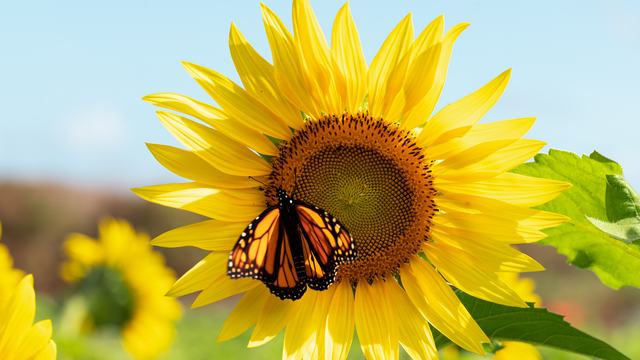
It’s been an unusually hot, dry summer for us and August traditionally brings simmering days also. Just thinking about it may make you break out in a sweat. When pleasant days prevail, do take advantage of working outdoors to address these gardening suggestions for the month.
Trees, Shrubs and Flowers
- Pull up annuals that are past their peak and dead head those that are still healthy.
- For annuals that are capable of a second bloom, cut them back by 1/3 of their height then feed them with liquid fertilizer.
- It’s time for webworms to begin to appear in large masses of webbing on branch ends. They don’t look attractive but they usually don’t cause much damage. If you tire of looking at them, rip the webs open with a long pole or disrupt webs with a strong stream of water.
- Don’t prune or fertilize your landscape plants for the remainder of the year. This enables them to prepare for dormancy. If you properly acclimate your landscape plants, they tend to have a better degree of winter hardiness.
- Continue to mulch as needed to help conserve soil moisture and help with weed suppression.
- For indoor plants that have experienced a lot of new growth this year, it may be time to repot them into a larger container to give adequate time for them to acclimate before cold weather arrives.
Vegetables, Fruits and Herbs
- It’s pecan weevil time! Be on the lookout for them as they tend to emerge in early August after significant rainfall. Treatments for them should be on the first of August after rainfall. Drench the trunk and lower limbs with a recommended insecticide such as Sevin.
- Acquire seeds for your fall garden. If you grow your own transplants, August is the time to sow seeds of broccoli, collard, cabbage, kale, Chinese cabbage, and cauliflower in potting soil containers.
- Sow lettuce, spinach, arugula and other salad greens in your garden or grow containers in late August.
- Directly sow carrots, beets, rutabaga, and kohlrabi seeds.
Lawns
- Late summer is the most effective time to control fire ants in your lawn with baits.
- Treat your lawn for grubs only if you detect more than 5 grubs per square foot.
- August is the last month to fertilize Bermuda grass, St. Augustine grass, and zoyia grass. Experts recommendation is to apply 1 pound of nitrogen per 1,000 square feet. Don’t fertilize centipede grass.
Until next month, happy gardening!
Article written by: Ann Butler, Sampson County Master Gardeners