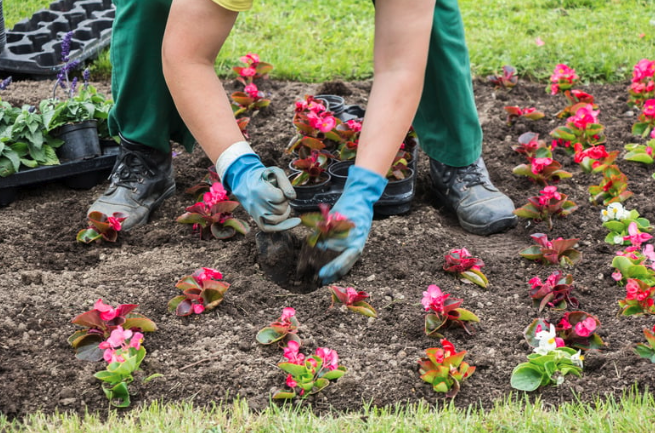
As spring approaches in eastern North Carolina, it's an ideal time to plan your garden by starting seeds indoors and preparing for direct sowing after the last frost. This approach ensures a robust and productive garden, offering a variety of vegetables and flowering plants suited to our region.
Starting Seeds Indoors
Starting seeds indoors provides young plants with a head start, allowing them to establish before facing outdoor conditions. This method is particularly beneficial for warm-season vegetables and certain flowers that require longer growing periods.
Suitable Vegetables:- Tomatoes: Begin seeds indoors 6-8 weeks before the anticipated transplanting date. Transplant outdoors after the danger of frost has passed and soil temperatures have warmed.
- Peppers and Eggplants: These also benefit from an indoor start 8-10 weeks prior to the last frost. Transplant them outdoors after the danger of frost has passed.
- Squash, Melons, and Cucumbers: Sow these seeds in mid-March to transplant outdoors after the threat of frost.
Suitable Flowers:
- Marigolds, Zinnias, and Sunflowers: These can be sown indoors in mid-March to transplant outdoors after the threat of frost has passed.
Steps for Indoor Seed Starting:
- Containers: Utilize clean, shallow containers with drainage holes. Repurposed items like yogurt cups or milk jugs can work well when properly sanitized.
- Soil: Opt for a sterile, well-draining seed-starting mix to prevent diseases and promote healthy root development.
- Planting: Sow seeds at a depth approximately twice their diameter. Some seeds, like lettuce, require light for germination and should be sown on the soil surface.
- Light and Temperature: Place seedlings in a warm (65-75°F) location with ample light. If natural light is insufficient, consider using grow lights to prevent leggy growth.
- Watering: Maintain consistent moisture by watering from the bottom, allowing the soil to absorb water without disturbing seeds. Avoid waterlogging, which can lead to damping-off disease.
- Hardening Off: Before transplanting, acclimate seedlings to outdoor conditions by gradually exposing them to sunlight and temperature variations over 1-2 weeks.
Direct Sowing After Last Frost
Certain vegetables and flowers thrive when sown directly into the garden soil after the last frost date, which typically occurs on March 30, +/- 12 days in eastern North Carolina.
Suitable Vegetables:- Beans and Peas: These legumes prefer direct sowing as they do not transplant well. Plant them directly in the soil after the last frost.
- Squash, Melons, and Cucumbers: Large-seeded vegetables that establish quickly when sown directly.
Suitable Flowers:
- Cosmos and Nasturtiums: These flowers can be sown directly into the garden after the last frost, providing vibrant colors throughout the summer.
Steps for Direct Sowing:
- Soil Preparation: Ensure the soil is well-drained and enriched with organic matter. Remove weeds and debris to create a hospitable environment for seedlings.
- Planting Depth: Follow guidelines on seed packets for appropriate planting depths and spacing to promote healthy growth.
- Watering: Keep the soil consistently moist during germination. Once seedlings are established, adjust watering based on weather conditions.
- Thinning: After seedlings develop true leaves, thin them to recommended spacings to reduce competition and encourage robust plants.
Additional Tips:
- Succession Planting: To enjoy a continuous harvest, plant crops like lettuce and radishes in intervals of every 2-3 weeks.
- Pest Management: Regularly inspect plants for signs of pests or diseases. Implement integrated pest management practices to maintain plant health.