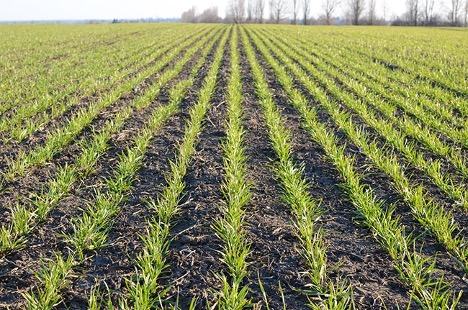
Nitrogen management is a critical factor in achieving optimal wheat yields. Normally the winter months bring a bit more rainfall to Sampson County increasing the need for nitrogen management. Nitrogen is very mobile in the soil and will leach out of the soil profile especially in sandy soils. Proper timing and application rates, combined with regular field scouting and tiller counts, can help to significantly enhance wheat yields.
Scouting wheat fields in late winter is essential to assess crop health and determine nitrogen needs. A key focus during this period is tiller counts. Tillers are the shoots that develop after the main stem, and each has the potential to produce a grain head. For wheat, achieving a target of 50–70 tillers per square foot by mid to late February is ideal for high yields. If tiller counts fall below this range, an early nitrogen application can stimulate additional tiller development. Conversely, excessive tiller counts (>90 per square foot) may indicate the need for less nitrogen. This will allow some of the excess tillers to die off and will help to prevent crowding and competition for resources. Also, it is better for tillers to die early on in the season since the plant has invested fewer resources in them.
Total nitrogen rates for wheat in North Carolina typically range from 100 to 120 pounds per acre, depending on soil type, tillage practices, and field history. Soil testing is crucial for determining residual nitrogen levels and ensuring accurate recommendations. Split applications reduce the risk of nitrogen loss due to leaching or denitrification while matching the crop’s growth needs. Research from NC State University emphasizes the benefits of split nitrogen applications for wheat.
General recommendations include:- An early application (late January to early February): This helps promote tiller development if needed.
- A second application (typically late February to early March): This is critical for supporting head development and grain fill.