Vining plants are excellent additions to ornamental landscapes. They grow in ways that add depth, height, and perspective to the landscape. They spread by climbing, attaching, or twining their way up vertical surfaces or over the ground, and fill in spaces where other plants just can’t grow. Some recommended vines for the home landscape include clematis, passionflower, climbing hydrangea, lady banks rose, and Carolina jessamine. All of these vines offer differences in texture, colors, odors, and will thrive in our area.
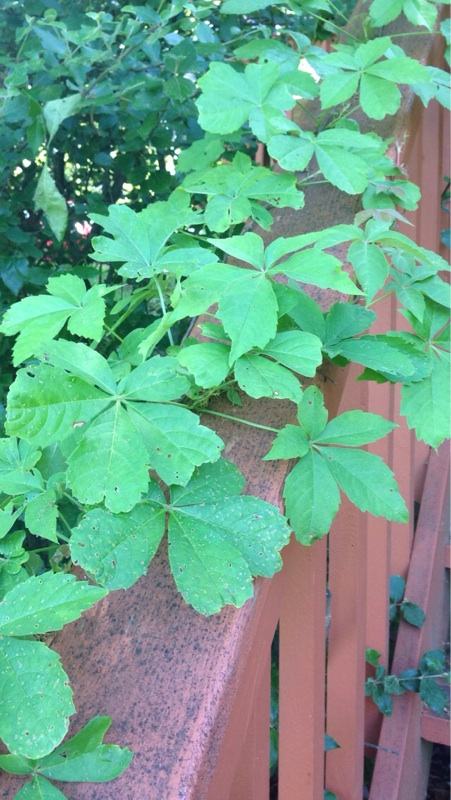
But what can we do about unwanted vines? Many vines can take over the landscape and are difficult to manage. English ivy, kudzu, Japanese honeysuckle, wisteria, and Oriental bittersweet are invasive vines that can grow out of control and destroy landscapes, vinyl siding, and forests. Virginia creeper is another vine that causes problems in the landscape, but is not listed as invasive.
We normally get a dozen calls this time of year, wanting to know how to get rid of unwanted vines growing in shrubbery. The first step is to tackle the problem as soon as you see it. Don’t wait for shrubs to get taken over by vines before you implement a management strategy. Many of these vines can grow 30-50 feet in the spring, so nip it in the bud before it is out of control. Depending on the severity of the infestation, this could take a weekend, or several seasons to remove all the vines. Just pulling the vines out of the shrubs could damage the plants you want in your landscape, plus it leaves roots, and rhizomes in the ground to re-sprout. Using herbicides could damage nearby plants due to off target application.