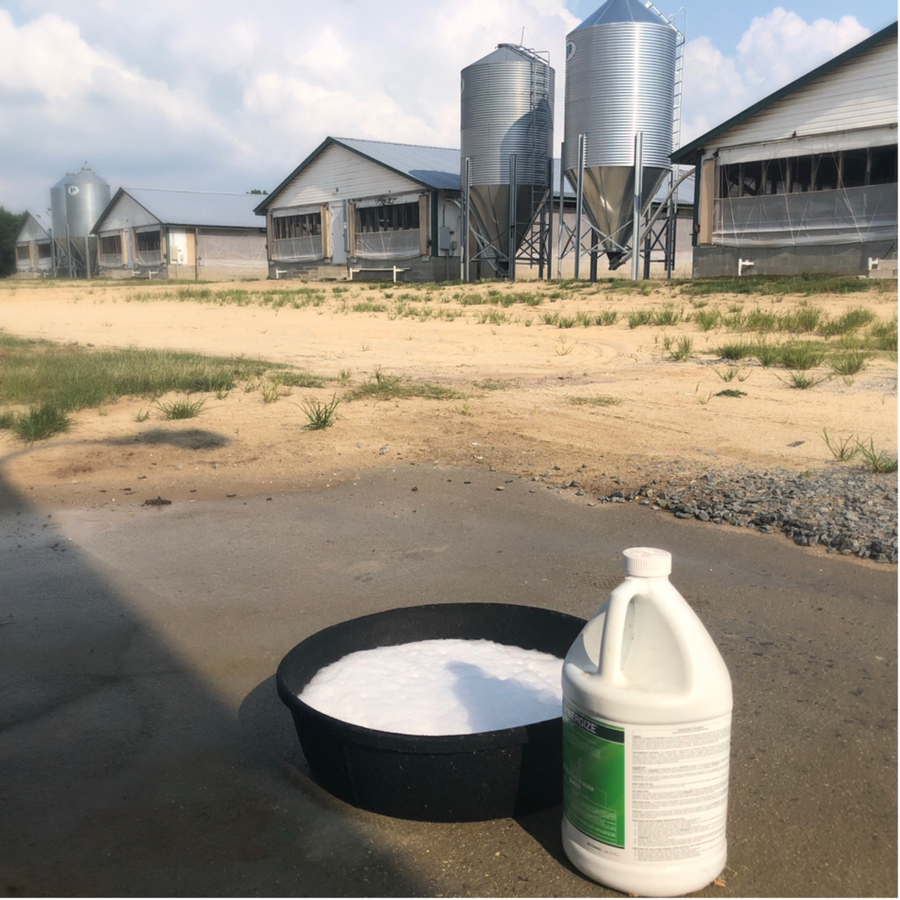
The health and well-being of the pigs cared for on a daily basis is the number one priority to a hog farmer. The spread of infectious diseases and viruses can result in decreased production on the farm and increased mortality rates. Biosecurity is a combination of management practices that helps prevent the transmission and introduction of diseases into a herd. Each farm should follow specific biosecurity protocols set forth in their overall herd health management plan developed by the farmer and a veterinarian. All pig farms, regardless of size should be registered with a premises identification number (PIN). It does not cost farmers to register.
Highlighted below are some of the important biosecurity measures used by farmers year-round. Proper implementation of external and internal biosecurity practices is vital.- Vehicle movement from farm to farm presents a major opportunity for the transmission of an infectious disease or virus. Producers are wise to take every precaution concerning all vehicles entering their farm and ask that they be thoroughly washed, cleaned, and disinfected before entering.
- Anytime new animals arrive at a facility, there is a risk of transmission of an infectious disease or virus. New swine arriving should be quarantined immediately and farmers should only accept swine from reliable sources that can validate their health. Once the swine have been quarantined, producers have the opportunity to assess their health for themselves and make necessary adjustments.
- Proper sanitation of equipment and facilities is a critical component in a biosecurity plan. This means the cleaning, disinfecting, and drying of any equipment used in or around the barns.
- Physical barriers such as fencing can offer a defense against infectious diseases and viruses entering the farm. Swine barn locations with open areas could consider the addition of physical barriers. They can assist in minimizing on-farm rodents, human traffic, and wild animals such as feral hogs.
- Lastly, reducing the number of visitors to your farm to a bare minimum. When visitors must come, they should be given and follow specific biosecurity protocols concerning entry and producers must make sure the instructions are followed.